Posts with tag 'Market Report'

Coldwell Banker Tomlinson Blog

Subscribe and receive email notifications of new blog posts.



rss logo RSS Feed
Buying A Home | 9 Posts
Doers of Good | 7 Posts
Family Fun | 4 Posts
Food | 6 Posts
Holidays | 4 Posts
Market Reports | 131 Posts
Moving Tips | 2 Posts
Near Nature | 1 Posts
News | 14 Posts
Selling A Home | 10 Posts
Spokane Life | 53 Posts
Spring Cleaning | 1 Posts
Technology | 1 Posts
Uncategorized | 1 Posts
July
2

If you're searching for drama, don't limit yourself to Netflix. Instead, tune in to the real estate market, where the competition among buyers has never been fiercer. And with homes selling for record highs, the appraisal process is receiving more attention than ever. That's because, in a rapidly appreciating market, a property is more likely to appraise below the sales price—which can lead to major repercussions for both buyers and sellers.

It's never been more important to understand the appraisal process and the risks involved. It's also crucial to work with a skilled real estate agent who can guide you to a successful closing without overpaying (if you're a buyer) or overcompensating (if you're a seller). Find out how appraisals work—and in some cases, don't work—in today's unique real estate environment.

APPRAISAL REQUIREMENTS

An appraisal is an objective assessment of a property's market value performed by an independent authorized appraiser. Mortgage lenders require an appraisal to lower their risk of loss in the event a buyer defaults on their loan.

In most cases, a licensed appraiser will analyze the property's condition and review the value of comparable properties that have recently sold. Appraisal requirements can vary by lender and loan type, and in today's market, in-person appraisal waivers have become much more common. If you're applying for a mortgage, be sure to ask your lender about their specific terms.

APPRAISALS IN A RAPIDLY SHIFTING MARKET

An appraisal contingency is a standard inclusion in a home offer. It enables the buyer to make the closing of the transaction dependent on a satisfactory appraisal wherein the value of the property is at or near the purchase price. This helps to reassure the buyer (and their lender) that they are paying fair market value for the home and allows them to cancel the contract if the appraisal is lower than expected.

Low appraisals are not common, but they are more likely to happen in a rapidly appreciating market, like the one we're experiencing now. That's because appraisers must use comparable sales (commonly referred to as comps) to determine a property's value. This could include homes that went under contract weeks or even months ago. With home prices rising so quickly, today's comps may be lagging behind the market's current reality. Thus, the appraiser could be basing their assessment on stale data, resulting in a low valuation.

HOW ARE BUYERS AND SELLERS IMPACTED BY A LOW APPRAISAL?

When a property appraises for less than the contract price, you end up with an appraisal gap. In a more balanced market, that could be cause for a renegotiation. In today's market, however, sellers often hold the upper hand.

That's why some buyers are using the potential for an appraisal gap as a way to strengthen their bids. They're proposing to take on some or all of the risk of a low appraisal by adding gap coverage or a contingency waiver to their offer.

Appraisal Gap Coverage

Buyers with some extra cash on hand may opt to add an appraisal gap coverage clause to their offer. It provides an added level of reassurance to the sellers that, in the event of a low appraisal, the buyer is willing and able to cover the gap up to a certain amount.

For example, let's say a home is listed for $200,000 and the buyers offer $220,000 with $10,000 in appraisal gap coverage. Now, let's say the property appraises for $205,000. The new purchase price would be $215,000. The buyers would be responsible for paying $10,000 of that in cash directly to the seller because, in most cases, mortgage companies won't include appraisal gap coverage in a home loan.

Waiving The Appraisal Contingency

Some buyers with a higher risk tolerance—and the financial means—may be willing to waive the appraisal contingency altogether. However, this strategy isn't for everyone and must be considered on a case-by-case basis.

It's important to remember that waiving an appraisal contingency can leave a buyer vulnerable if the appraisal comes back much lower than the contract price. Without an appraisal contingency, a buyer will be obligated to cover the difference or be forced to walk away from the transaction and relinquish their earnest money deposit to the sellers.

It's vital that both buyers and sellers understand the benefits and risks involved with these and other competitive tactics that are becoming more commonplace in today's market. We can help you chart the best course of action given your individual circumstances.

DON'T WAIVE YOUR RIGHT TO THE BEST REPRESENTATION

You need a master negotiator on your side who has the skills, instincts, and experience to get the deal done...no matter what surprises may pop up along the way. If you're a buyer, we can help you compete in this unprecedented market—without getting steamrolled. And if you're a seller, we know how to get top dollar for your home while minimizing hassle and stress. Contact us today to schedule a complimentary consultation.

May
21

Finding a New Home for Your Next Stage of Life

For most of us, our housing needs are cyclical. A newly independent adult can find freedom and flexibility in even a tiny apartment. That same space, to a growing family, would feel stifling. For empty nesters, a large home with several unused bedrooms can become impractical. It's no surprise that life transitions often trigger a home purchase.

While your home-buying journey may not look like your neighbor's or friend's, broad trends can help you understand what to keep in mind as you house hunt. After all, taking the time now to think about exactly what you need can save a lot of heartache later.

THE NEWLY MARRIED OR PARTNERED COUPLE

The financial and legal commitment of marriage has provided a springboard to homeownership for centuries, though these days more couples are buying homes without exchanging rings. But no matter your status, there are some key factors you should consider as you enter into your first home purchase together.

  • Affordability: While many buyers are holding out for their dream home, embracing the concept of a starter home can open a lot of doors. If you focus on buying a home you can afford now with strong potential for appreciation, you can build equity alongside your savings, positioning you to trade up to a larger home in the future if your needs change.
  • Mortgage rates: Mortgage rates are at historic lows, but they still require solid credit. If one partner's score is keeping you from getting a mortgage, consider taking out a loan in only the other partner's name. The downside is that applying for a mortgage with a single income will reduce your qualification amount. And if you take that route, make sure you understand the legal and financial implications for both parties should the relationship end.
  • Location: A successful relationship takes compromise, so it's important to consider both of your commutes and interests when choosing a neighborhood. Need some help identifying the ideal location that fits within your budget? We can match you with some great communities that offer the perfect mix of amenities and affordability.

THE GROWING FAMILY

Having kids changes everything. Whether you've just had your first child or are getting to the point where your kids can't comfortably share a bedroom any longer, there's plenty to consider when you're ready to size up to a home that will fit your growing family.

  • Schools: 53% of buyers with children under 18 say that school districts are a major factor in their home buying decision.But when you're moving to a new community, it can be tough to figure out what the schools are actually like. That's why talking to a local real estate agent can be a gamechanger.
  • Lifestyle: How will the home you purchase affect your family's lifestyle? Features like a pool, a finished basement, or an open floor plan can help you enjoy time together.
  • Functionality: Consider your day-to-day needs. Will a walk-in pantry or a well-designed laundry room make life easier? Chances are, you won't find every nice-to-have in one home. But we can help you assess your options and give you a sense of what is realistic within your budget.

THE EMPTY NESTERS

When we talk about empty nesters, we usually think about downsizing. With kids out of the house, extra rooms can quickly become more trouble than they're worth. But there's plenty for empty nesters to think about besides square footage.

  • Maintenance: Ready to relax or travel now that the kids are gone? Keep in mind that newer homes tend to require fewer repairs, and smaller homes have less space to clean. And if you don't love yard work, a condo or townhouse might be preferable to a single-family home.

  • Lifestyle: If you're retired (or nearing it), consider how you'd like to spend your days. For some, that might mean living near a golf course or a beach. For others, being able to walk downtown for a nice dinner out is the priority. And with more time to spend as you wish, proximity to a supportive community of friends and family is priceless.

  • Ability to age in place: We can't escape aging, so it's wise to think ahead. This may mean choosing a single-story home with a walk-in tub or shower. Location matters, too—if your family will be providing support, are they close by? Can you easily reach necessities like grocery stores and healthcare? A few careful considerations now can make staying in your home long-term much more feasible.

FINDING THE RIGHT HOME FOR RIGHT NOW

Whatever stage you're embarking on next, insight into local neighborhoods, prices, and housing stock will help you hone in on exactly where you want to live and what kind of home is right for you. Buying a home—whether it's your first or your fifth—is a big decision, but we're here to support you every step of the way.

We support the Fair Housing Act and equal opportunity housing.

March
25

From the March 2021 issue of @Home with Coldwell Banker Tomlinson.  Written by Chris Canning, Coldwell Banker Tomlinson Realtor®

As both a licensed REALTOR® and home builder, I often scroll through my Facebook feed and see homes advertised by our area homebuilders and fellow real estate agents. I often see such remarks as: "They want how much for that house? They're crazy!" or "Why can't builders build more affordable homes?" The g...

Click Here to Read More...

February
10

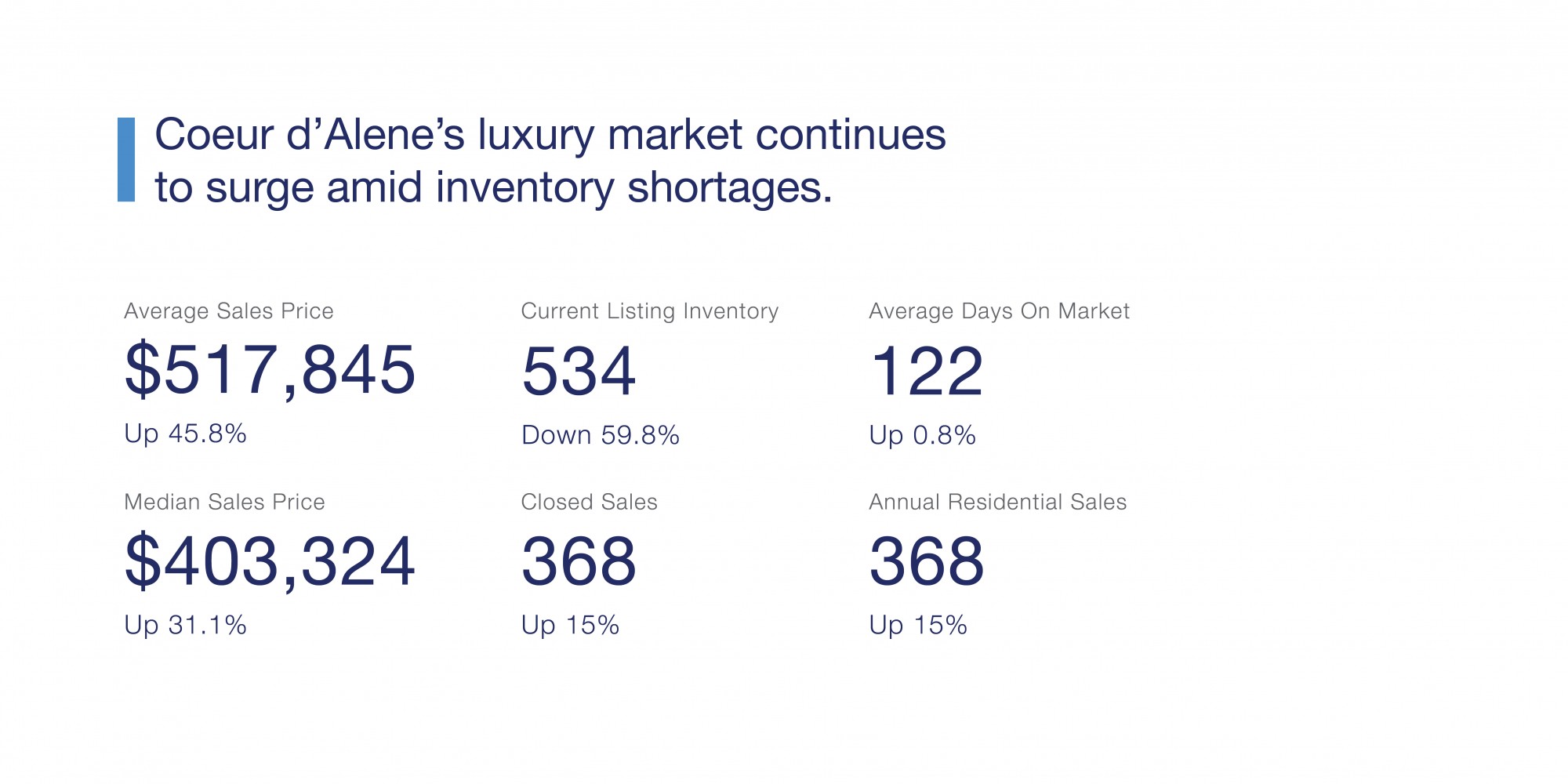
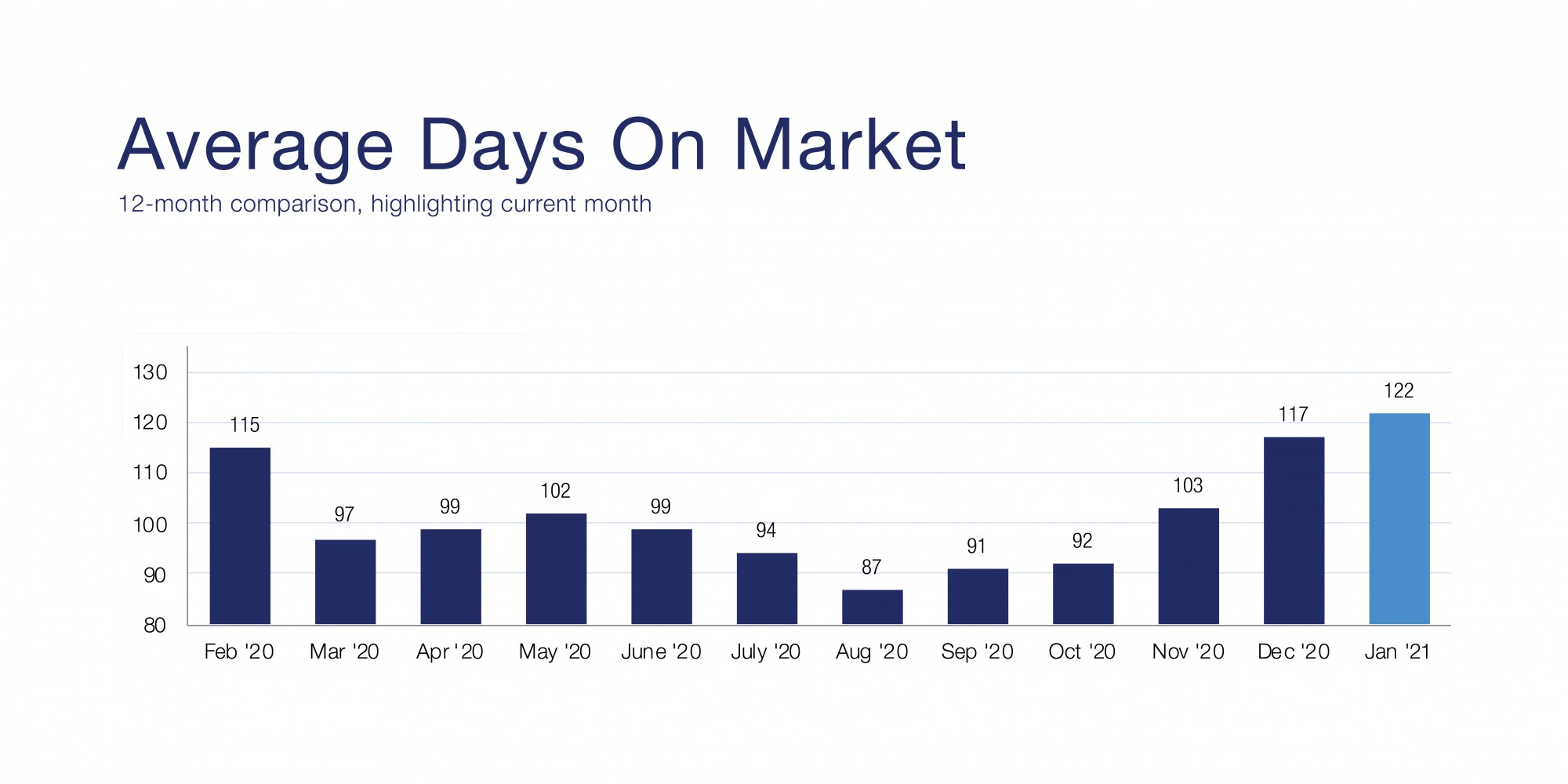
View our comprehensive Coeur d'Alene real estate market report for the month of January!

The information in this report is compiled from a report given by the Spokane Association of REALTORS© and to the best of our knowledge is accurate and correct.
Click Here to Read More...

February
10

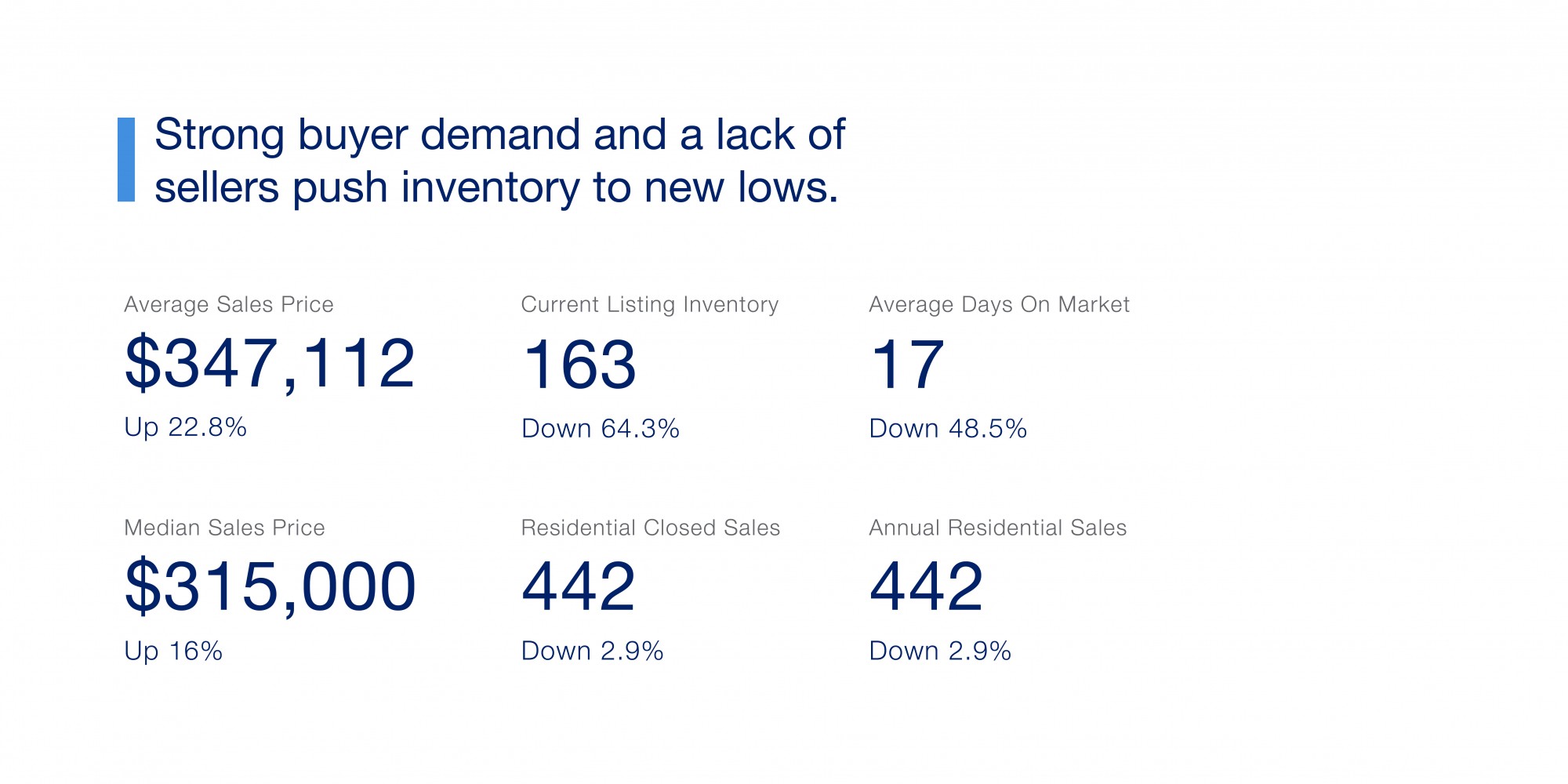
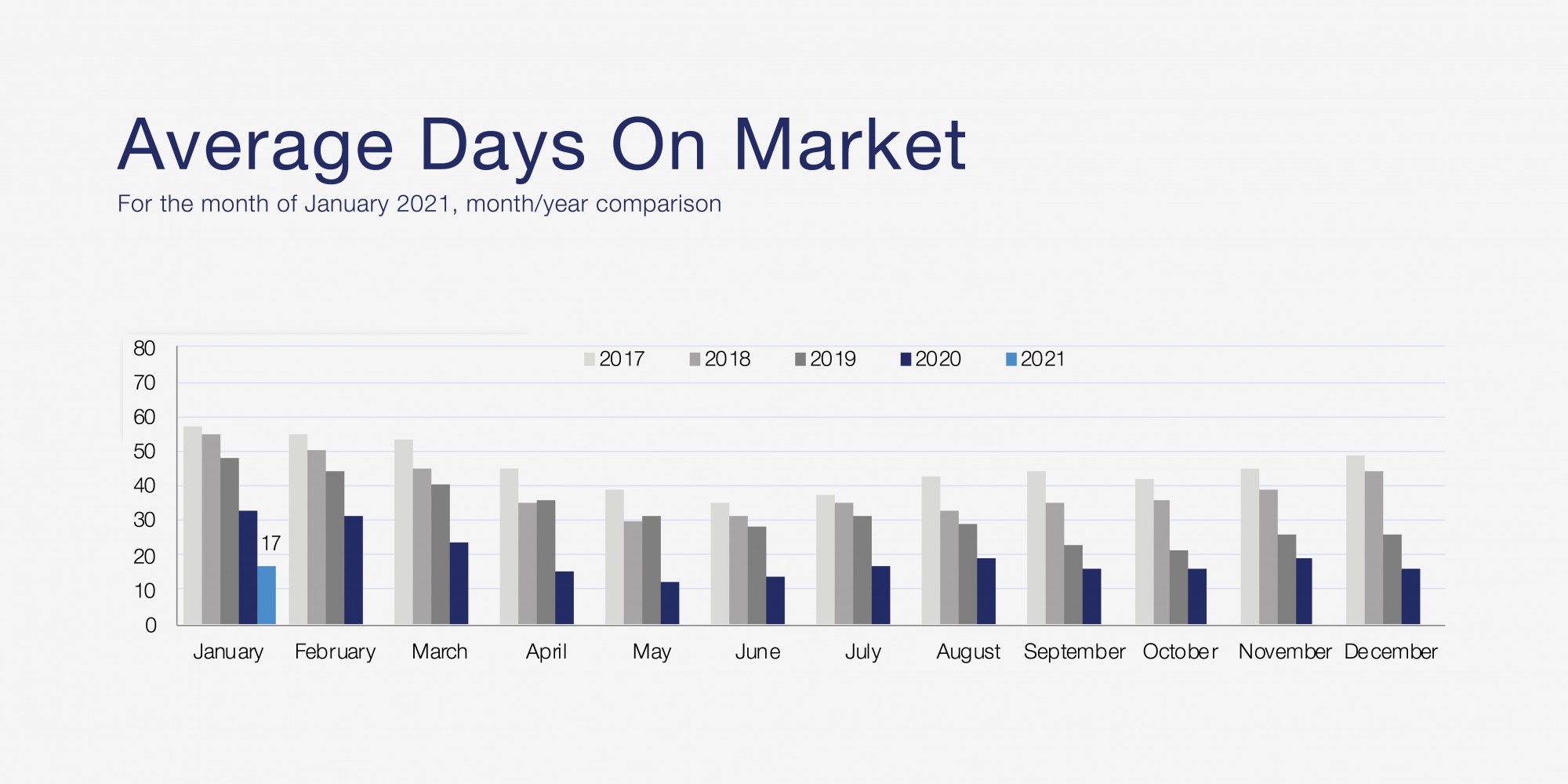
View our comprehensive Spokane real estate market report for the month of January!

The information in this report is compiled from a report given by the Spokane Association of REALTORS© and to the best of our knowledge is accurate and correct.
Click Here to Read More...

Older Posts ⇨

Login to My Homefinder

Pixel